
The Ultimate Guide to Building Your Custom Home: Part #4
In the first three parts of this series, we explored how your custom home journey begins—with a clear vision, a well-prepared budget, and the right team of professionals by your side. Now, with plans completed and your project ready to advance, the next phase begins by transforming drawings into a physical home. This stage is where your vision starts to take shape, and while it is exciting, it also requires patience, coordination, and trust in your team. Understanding what happens during permitting and construction will help you feel confident and prepared at every step.
Once your architectural plans are finalized, the first major milestone is obtaining your building permit. Your builder or architect may assist with this process, but many homeowners choose to visit their local permitting office directly to submit documents, pay applicable fees, and ensure their plans meet jurisdictional requirements. Every parish, municipality, or city has its own permitting procedures and timelines, which may include zoning reviews, flood elevation checks, engineering approvals, and environmental compliance. While it may feel like paperwork, permitting ensures your home is built safely and in accordance with local building codes. This step protects you, your investment, and your future property value.

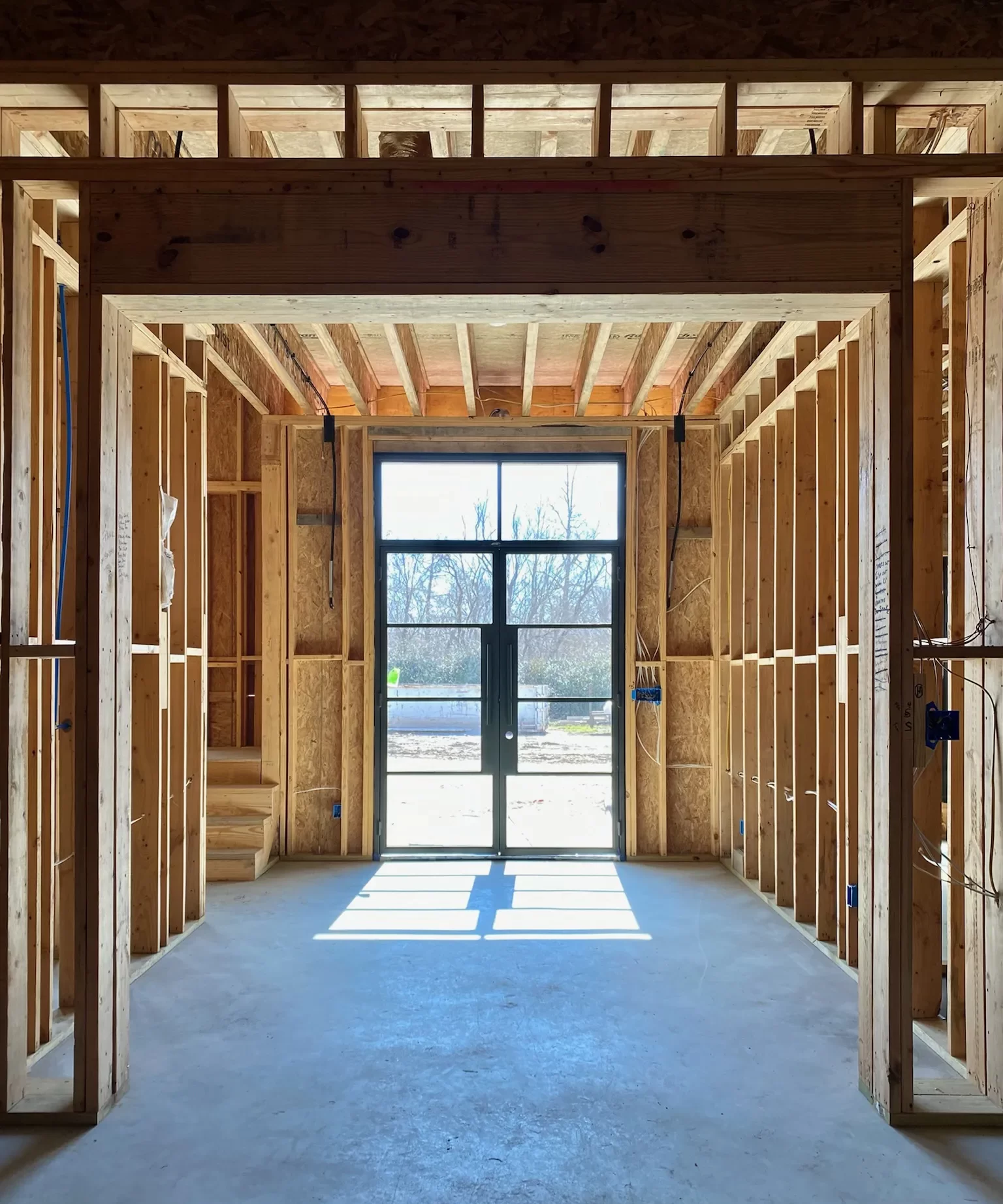
When the building permit is issued, the construction process officially begins. Most custom homes take six to twelve months or longer to complete, though factors such as weather, labor availability, supply chain delays, or specialty materials can influence the schedule. Your builder will typically follow a structured timeline that reflects the major phases of construction, starting from site preparation and foundation work and progressing through framing, mechanical systems, interior finishes, and final details. This is a natural progression, and although certain stages may feel slow, each milestone supports the next.
To help homeowners understand how construction is tracked, many lenders require work to be completed in stages known as “draws.” After each construction milestone is reached, a bank inspector visits the site to confirm progress before releasing the next portion of funds. A typical inspection report includes categories such as lot clearing, pilings, framing, roofing, plumbing rough-ins, insulation, drywall, cabinetry, trim carpentry, and exterior finishes. For example, the Construction Inspection Report (included as a sample in this series) outlines a draw schedule where each inspection corresponds to a percentage of work completed, from site preparation to the final cleaning phase. These reports help ensure that funds are released responsibly and that construction is progressing according to plan.
As your home moves through each draw, your level of involvement will increase. During early phases, site visits may feel less eventful, as much of the work involves structure, utilities, and mechanical systems. But as construction progresses, you will begin making important selections: flooring, lighting, plumbing fixtures, cabinetry, countertops, hardware, paint colors, exterior materials, and more. This is where your home’s personality starts to shine. Your architect and builder will guide you through these decisions, helping you stay aligned with your budget while achieving the aesthetic and level of craftsmanship you desire. Have you ever visited a home under construction? What stood out to you?

Regular communication is essential during this stage. Your builder will typically provide updates throughout construction, explaining what is happening on site and what the next draw will involve. Staying engaged (while avoiding micromanagement) helps ensure clarity, minimizes misunderstandings, and allows your team to address any questions quickly. It is also helpful to keep a running list of selections, change orders, and approvals so all details remain organized as your project moves forward.
Throughout the construction process, remember that delays can happen. Weather, back-ordered materials, or subcontractor scheduling are common causes. What matters most is having a team that communicates clearly, responds promptly, and manages delays professionally. A strong partnership between you, your architect, and your builder will keep the project moving with as little interruption as possible.
As construction enters its final stages, your home truly comes to life. Walls are painted, cabinets are installed, lighting fixtures are hung, and the finishing details that you carefully selected begin to transform the interior. The exterior is completed, landscaping begins, and the home transitions from a construction site to a livable space. This is one of the most rewarding phases of the journey—when your vision becomes tangible.
In Part Five of this series, we will walk through the final stretch of your custom home journey: the final inspection, punch list, and ultimate walk-through. From addressing remaining details to receiving your Certificate of Occupancy, the last article will prepare you for the moment you’ve been waiting for, stepping into your fully realized dream home.